Order a callback


Order a service
Order a callback
Download on the App Store

Download on the Play Market


 19.02.2026
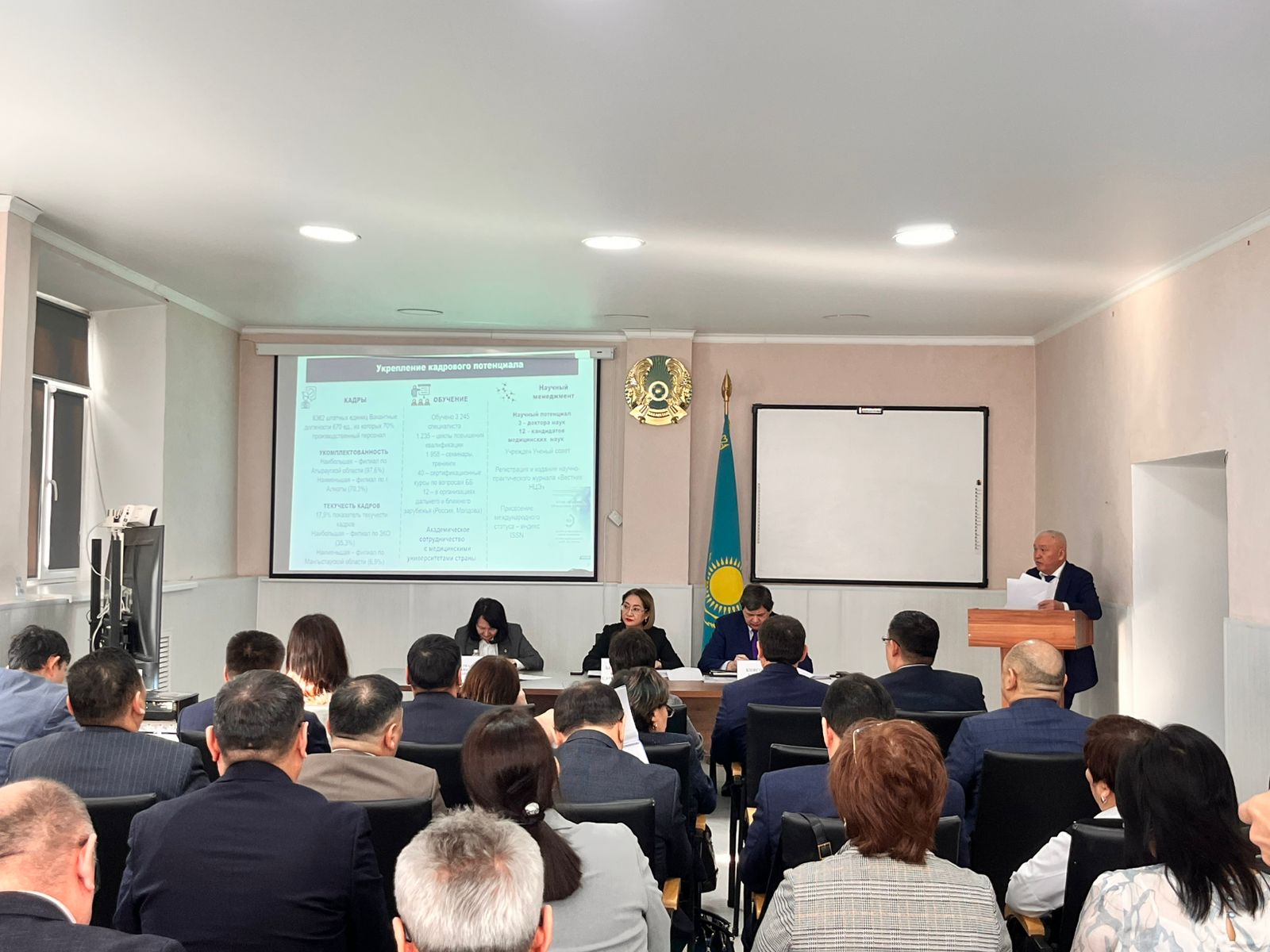
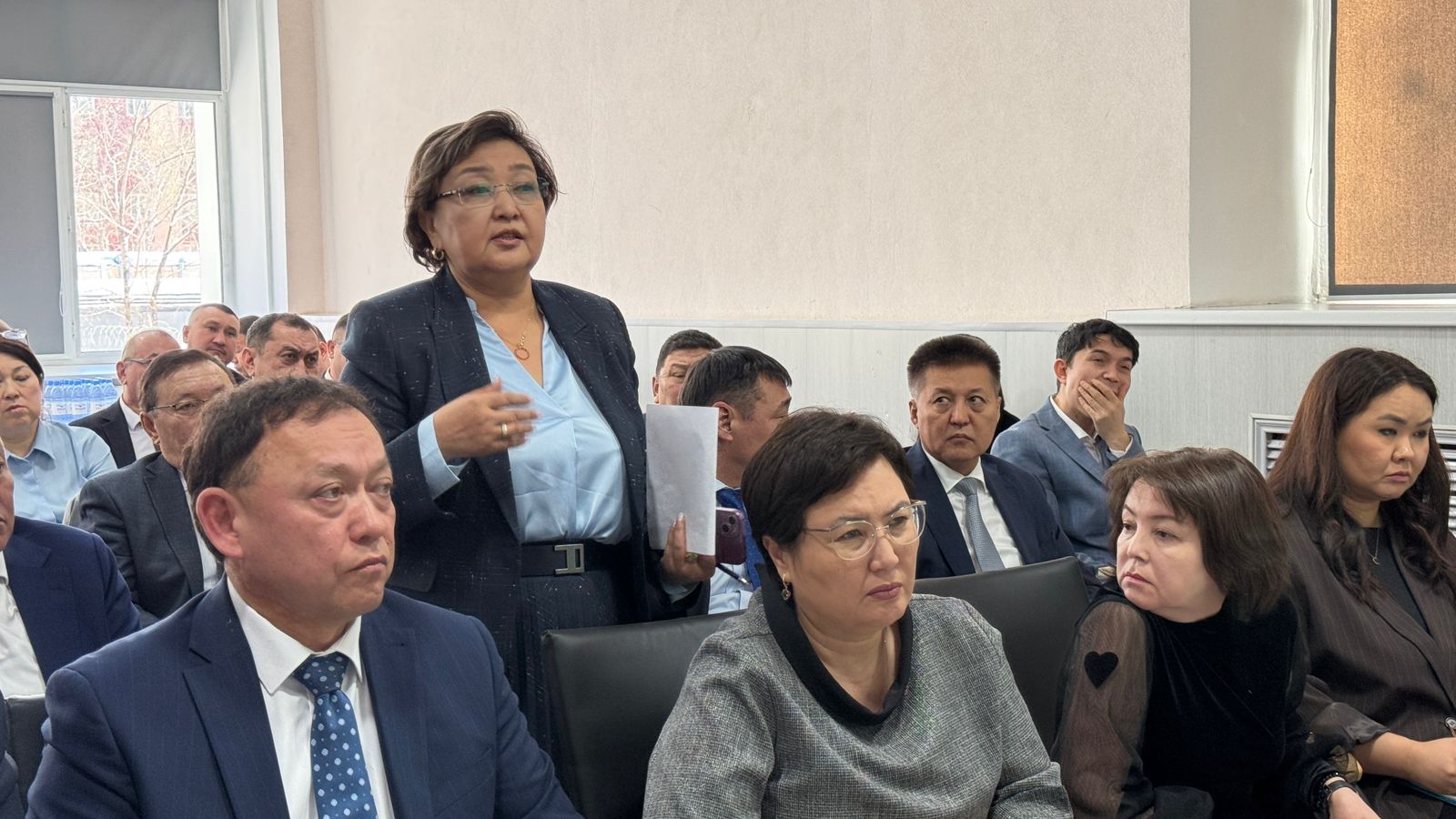
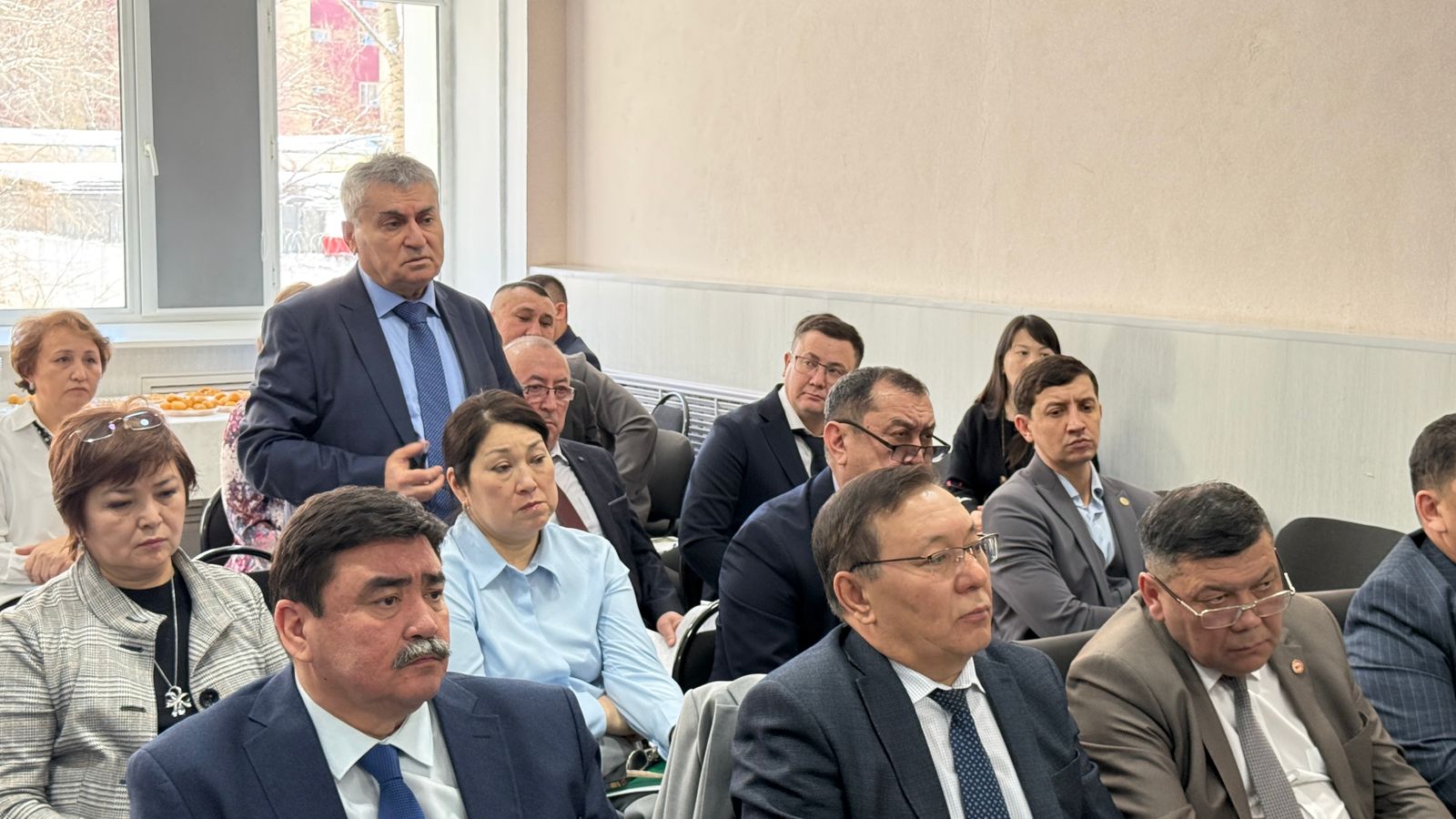
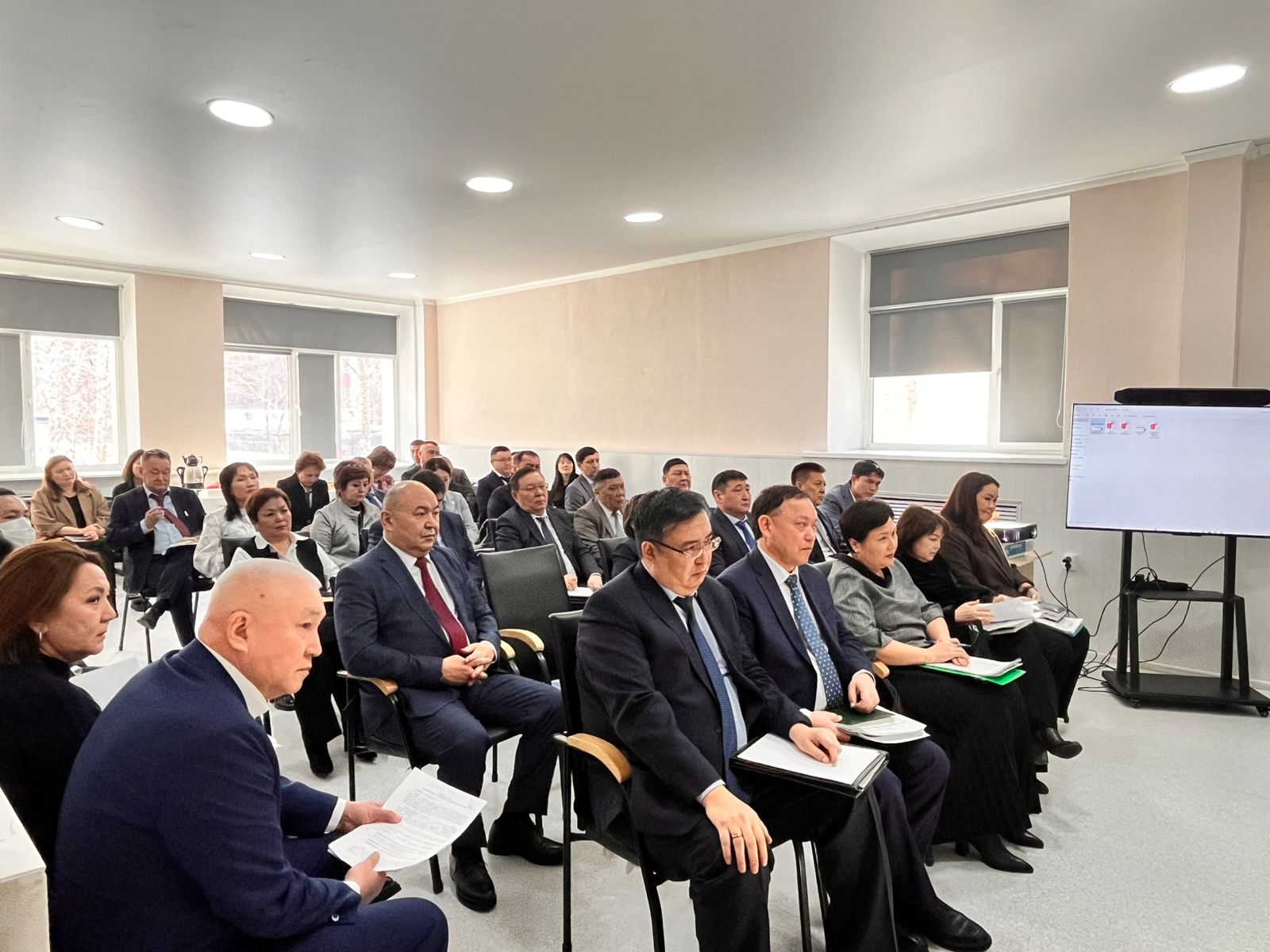
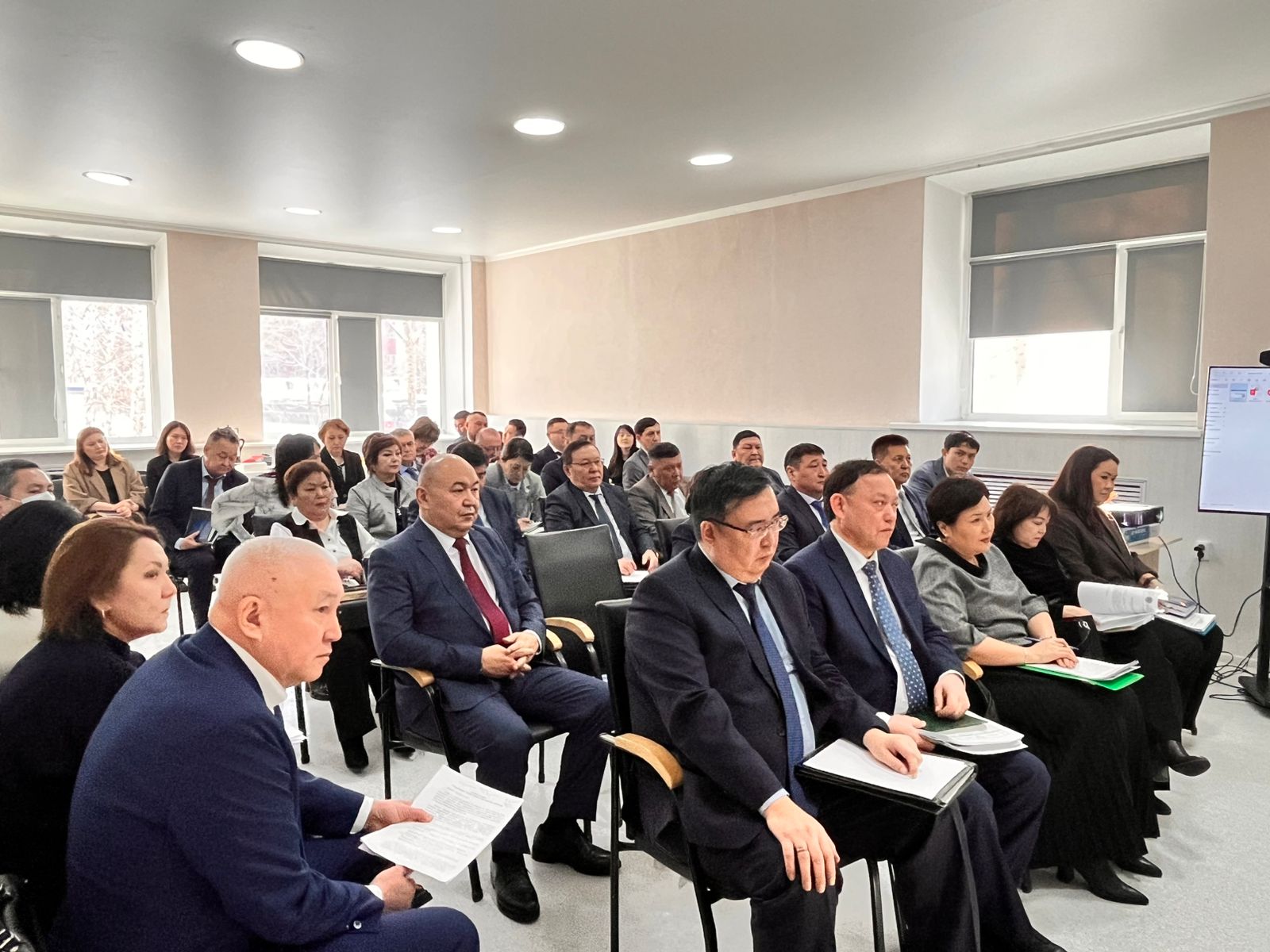
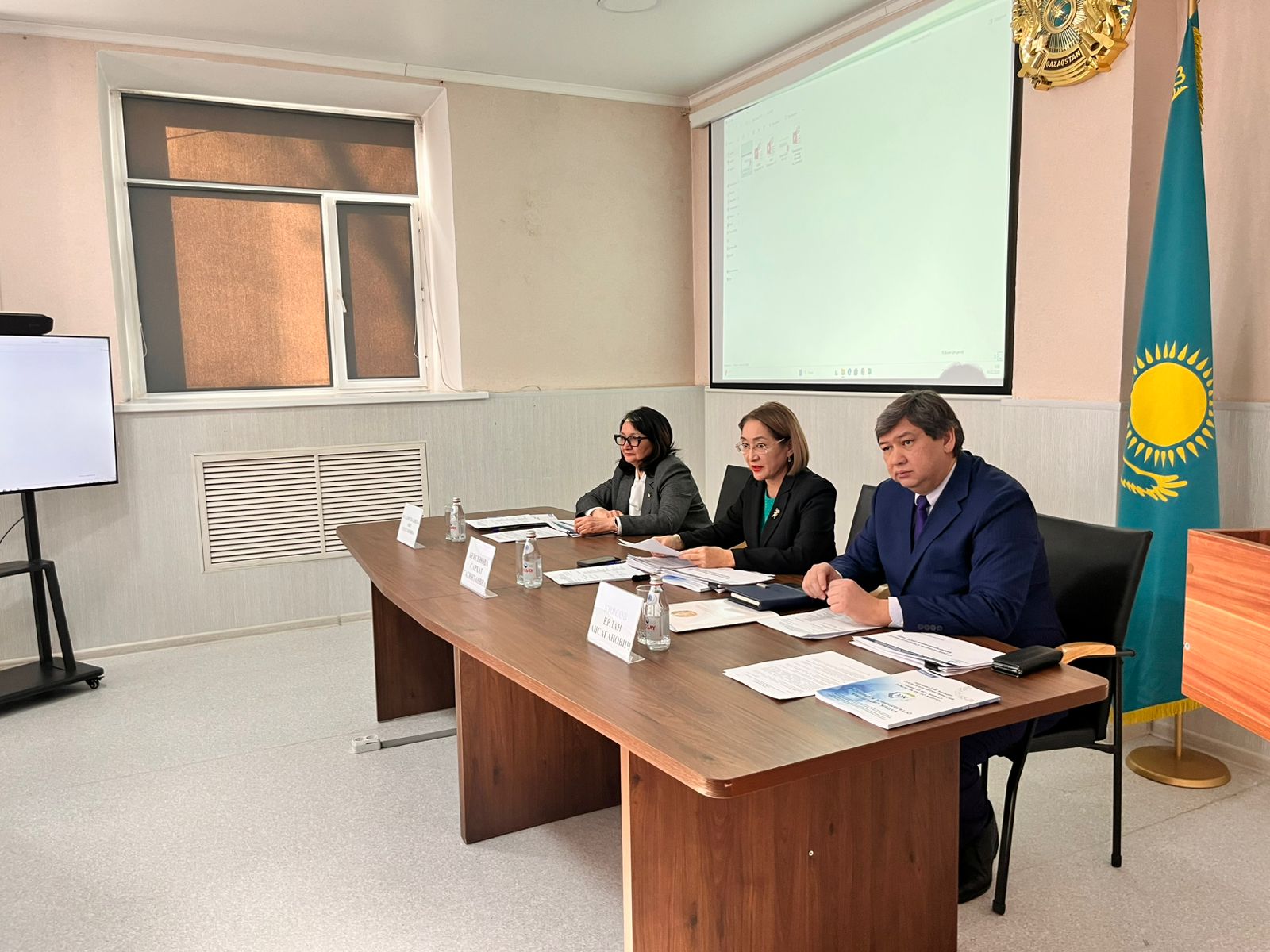
Today, a meeting of the Directorate of the National Center for Expertise was held in Astana. The meeting was chaired by Sarkhat Beisenova, Head of the Sanitary and Epidemiological Control Committee of the Ministry of Health of the Republic of Kazakhstan and Chief State Sanitary Doctor of the Republic of Kazakhstan.
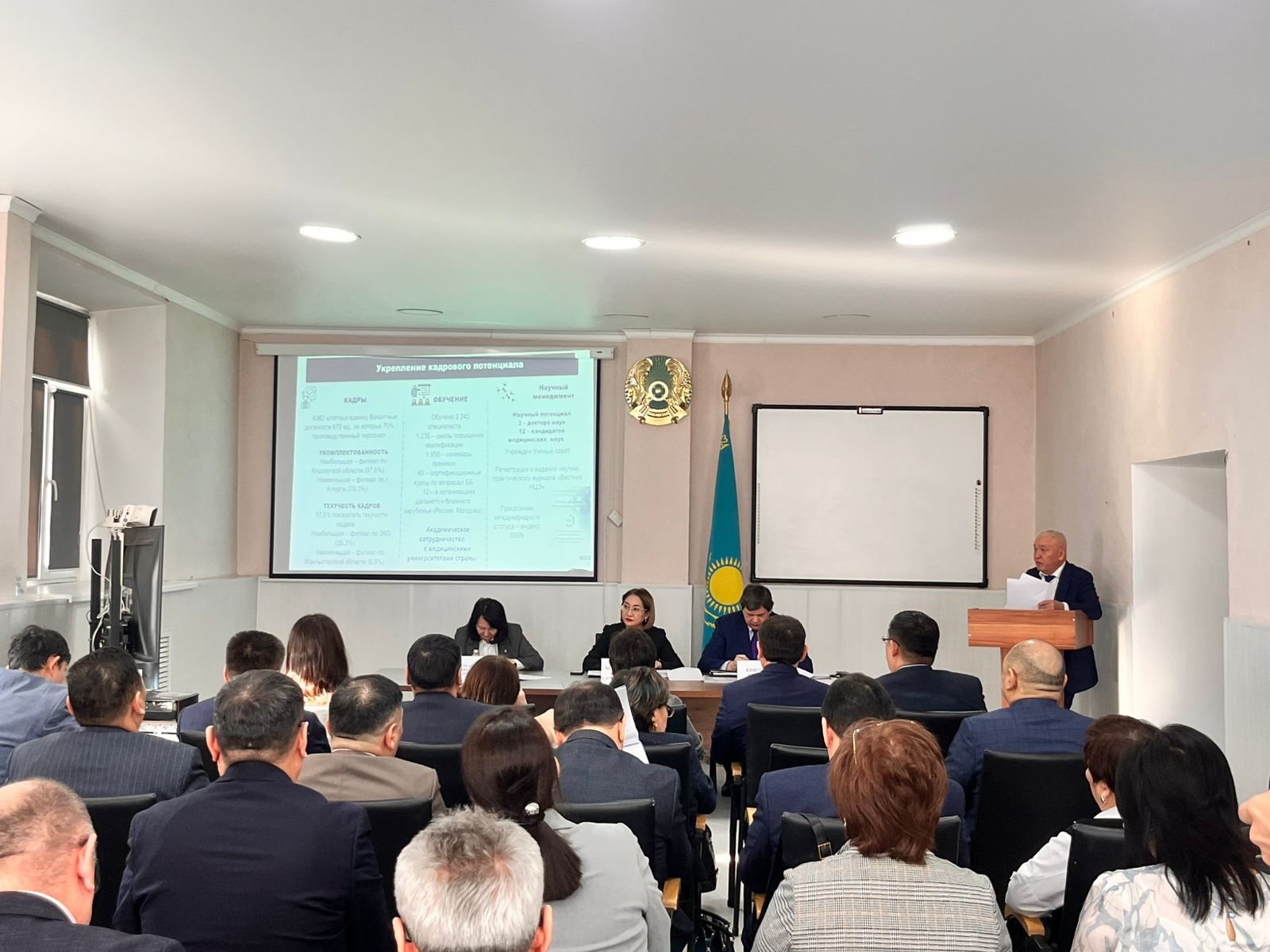
The meeting discussed the results of strategic measures for 2025, current issues of sanitary and epidemiological expertise, and tasks for strengthening the material and technical base of the National Center for Expertise in the coming period. The meeting participants summarized the work completed, analyzed the current situation, and outlined specific steps for further development.
Committee Chair Sarkhat Beisenova welcomed the meeting participants and noted that current conditions require coordinated work, a high level of responsibility, and a willingness to make informed decisions.
Continuing the topic of the Company's operational efficiency, in his speech, Erlan Kiyasov emphasized that the meeting will discuss important issues directly impacting operational efficiency and the achievement of set objectives, and also noted that the results of the past period demonstrate the successful achievement of the set goals.
At the same time, T.K. Yerubaev, Director of the Department of Strategic Development and International Cooperation at the National Center for Epidemiology and Radiology, presented a report on the implementation of strategic measures. According to him, the Company achieved its planned indicators in 2025 and continued systematic work to develop its branch network and improve internal processes.
A separate section of the meeting was devoted to the organization of sanitary and epidemiological expertise. First Deputy Chairperson of the Management Board A.S. Musina identified a number of problematic aspects requiring a systematic approach and solution.
"Work continues to ensure the full and high-quality fulfillment of the state order, strengthen control over the reliability of laboratory tests, improve methodologies, conduct interlaboratory comparisons, and enhance the qualifications of specialists," said Ainagul Musina.
There are also plans to consider purchasing new laboratory equipment to expand the range of tests performed.
Deputy Chairman of the Board T.O. Suyundikov presented information on the current state of logistics and measures to further strengthen it.
"Priorities include the implementation of planned measures to modernize laboratory and production facilities. At the same time, the goal has been set to intensify commercial activities: expand the range of services provided and increase the volume of work performed," emphasized Talgat Suyundikov.
The meeting was also attended by M.A. Smagul, Deputy Chairperson of the Republican State Enterprise on the Right of Economic Management "National Center for Public Health" of the Ministry of Health of the Republic of Kazakhstan, who emphasized that ensuring the quality of laboratory testing is a key element of the sanitary and epidemiological control system. According to her, the National Program for External Quality Assessment (EQA) allows for an objective assessment of laboratory performance, reduces regulatory and reputational risks, increases readiness for inspections, and improves the quality management system. "In the SES system, the VOK serves as a mechanism for professional support and quality improvement, not as a control or oversight function," concluded Manar Smagul.
The Directorate meeting confirmed the National Center of Expertise's strategic focus on improving the quality of laboratory testing, developing infrastructure, and strengthening its position in the country's sanitary and epidemiological control system.


 News
News  Video Gallery
  Anti-corruption policy